Introduction
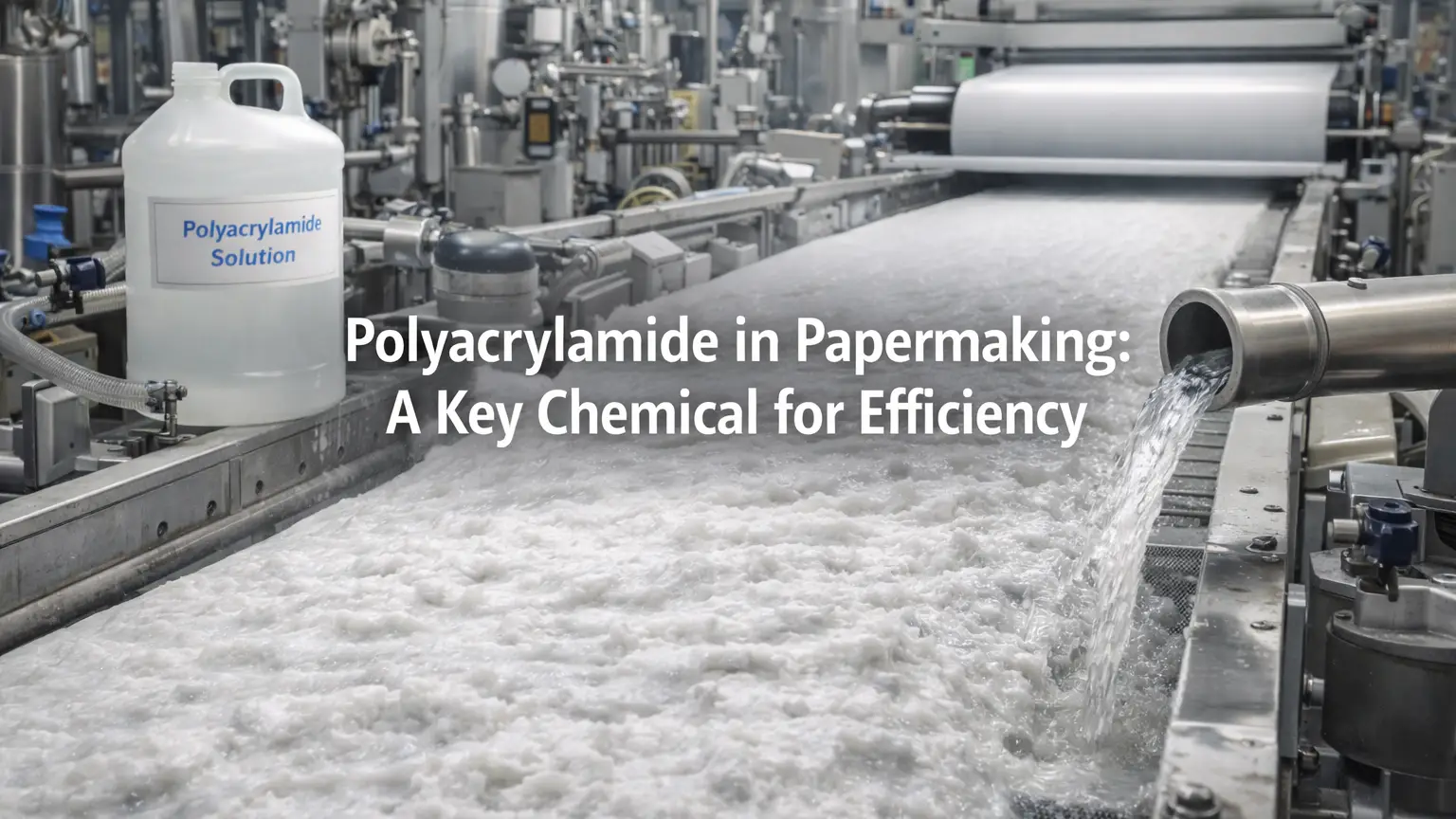
Cationic and anionic polyacrylamide play a central role in modern papermaking as mills push for higher machine speeds, improved paper quality, and lower environmental impact. Polyacrylamide, commonly known as PAM, stands out as a high-performance polymer used to improve retention, drainage, formation, and paper strength across nearly all paper grades.
Choosing between cationic polyacrylamide and anionic polyacrylamide is a technical decision that directly affects first-pass retention, water removal efficiency, fiber loss, and chemical stability. Incorrect selection can lead to poor formation, higher chemical consumption, unstable wet-end conditions, and increased operating costs. This article explains the chemical differences between cationic and anionic PAM, their specific roles in papermaking, and how mills can select the most suitable option for their processes while sourcing reliable products.
Charge Chemistry and Its Role in Papermaking
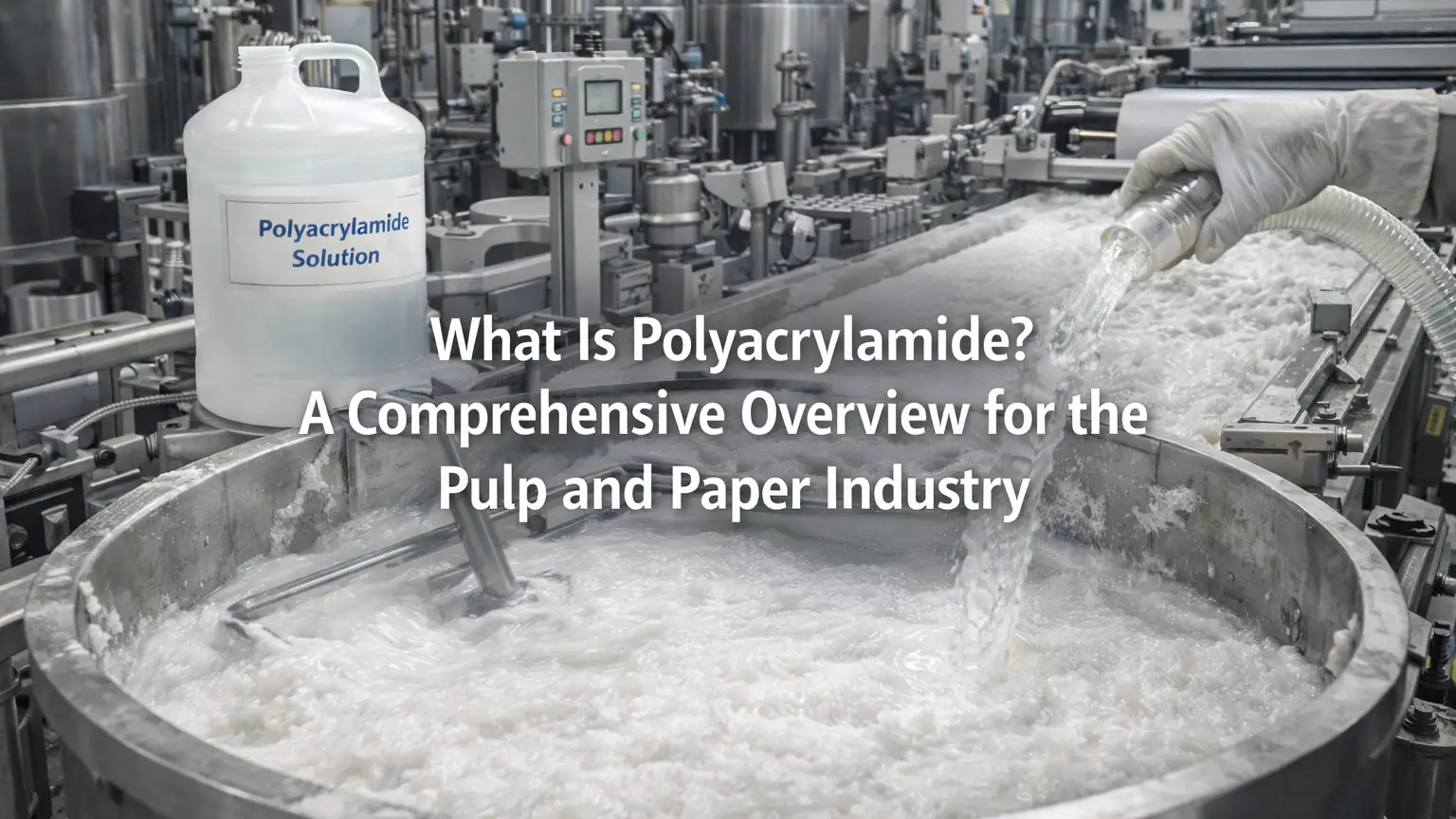
Polyacrylamide is synthesized by polymerizing acrylamide monomers into long, flexible chains capable of interacting with fibers, fines, and fillers. The performance of PAM in papermaking is largely defined by its ionic charge, which is introduced during copolymerization with charged monomers.
Most papermaking furnishes contain negatively charged components. Cellulose fibers, calcium carbonate, kaolin, and dissolved organic substances all contribute to an anionic wet-end environment. This electrostatic background determines how cationic and anionic polyacrylamide behave.
Cationic polyacrylamide carries positively charged functional groups that attach directly to negatively charged fiber surfaces. Anionic polyacrylamide contains negatively charged groups and requires charge-neutralized sites or multivalent cations to function effectively. These fundamental differences explain why cationic PAM dominates retention systems while anionic PAM excels in drainage improvement and water clarification.
Cationic Polyacrylamide in Papermaking Applications
Cationic polyacrylamide is the most widely used polymer in paper mill wet-end systems. Its strong affinity for fibers and fillers makes it a primary tool for retention and strength development.
Cationic PAM grades used in papermaking typically have charge densities between 10 and 50 percent, with molecular weights ranging from 8 to 15 million Daltons. This combination allows fast adsorption, strong fiber bridging, and good resistance to shear forces found in high-speed paper machines.
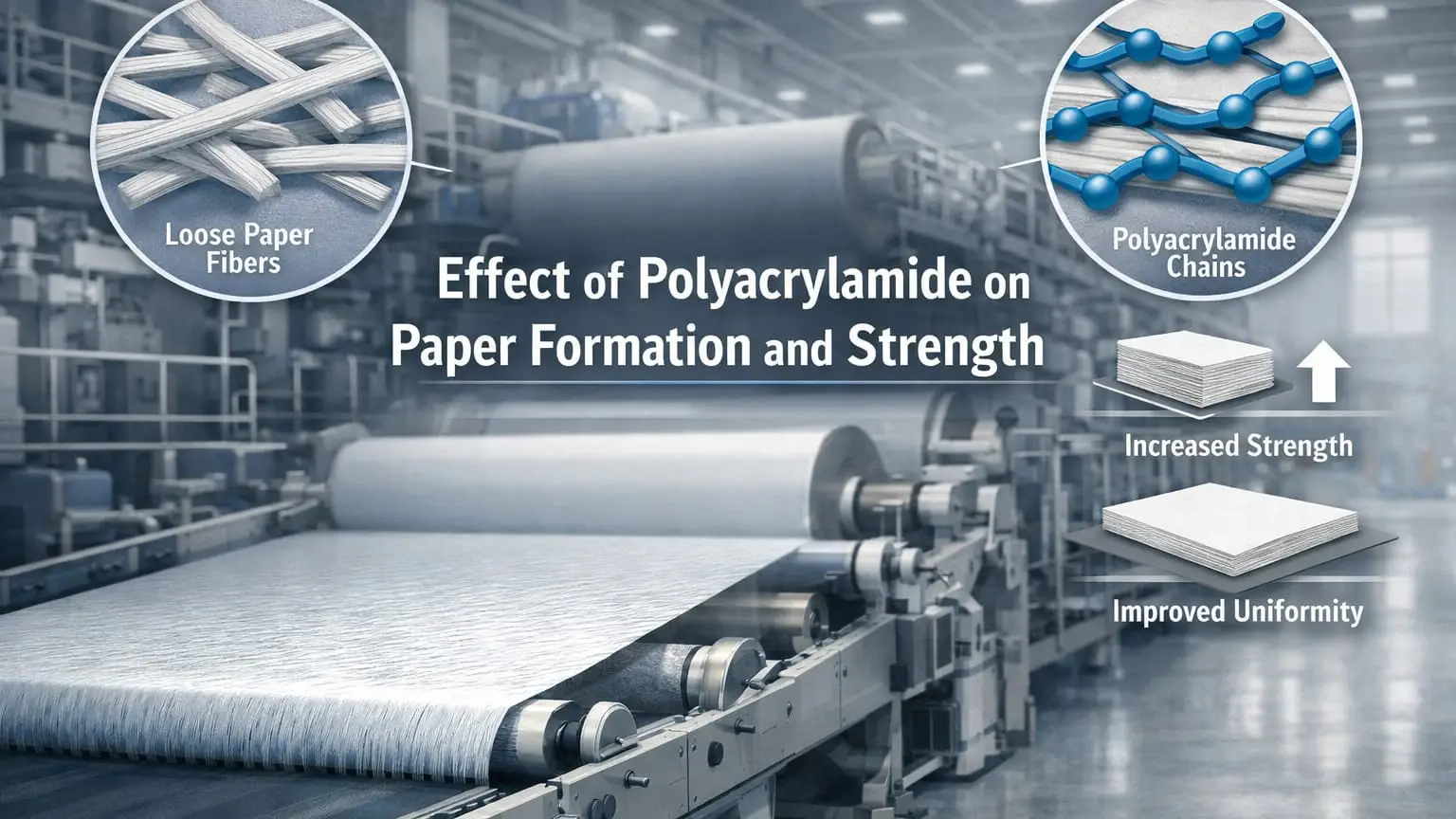
As a retention aid, cationic polyacrylamide significantly improves first-pass retention of fibers and fillers. Higher retention stabilizes sheet composition, reduces filler loss, and lowers the solids load in white water systems. These improvements translate directly into raw material savings and more stable machine operation.
Cationic PAM also enhances drainage by forming structured flocs that create channels for water release on the forming wire. Faster dewatering increases machine speed potential and reduces energy demand in pressing and drying sections.
Another important benefit is dry strength improvement. Polymer chains remain attached to fiber surfaces during drying, reinforcing hydrogen bonding between fibers. This effect is particularly valuable in packaging papers and board grades, where strength targets must be met with minimal fiber usage.
Anionic Polyacrylamide in Papermaking Systems
Anionic polyacrylamide serves a complementary role in papermaking, especially in systems that require enhanced drainage, flocculation, and water clarification.
Anionic PAM typically exhibits charge densities between 20 and 40 percent and molecular weights in the range of 10 to 20 million Daltons. These long polymer chains form large, open flocs that are effective at releasing water but more sensitive to mechanical shear.
In the wet end, anionic polyacrylamide is most effective when used in dual-polymer systems. A cationic coagulant or cationic starch is applied first to create localized positive charge sites on fibers and fines. Anionic PAM then bridges these sites, forming flocs that improve drainage while preserving sheet formation.
Anionic polyacrylamide is also essential in white water recovery systems, savealls, and effluent treatment. It efficiently flocculates suspended solids, improving fiber recovery and reducing chemical oxygen demand in discharged water. These benefits support closed-loop water systems and help mills meet environmental compliance targets.
In some packaging applications, high-molecular-weight anionic PAM contributes indirectly to paper strength when paired with cationic additives that promote fiber bonding.
Key Performance Differences Between Cationic and Anionic PAM
Cationic and anionic polyacrylamide differ in both mechanism and performance. Cationic PAM attaches directly to fibers through electrostatic attraction, forming compact, shear-resistant flocs that support retention and strength. Anionic PAM depends on charge-neutralized surfaces and forms larger, more open flocs optimized for drainage and clarification.
Cationic polyacrylamide performs well across acidic to neutral pH ranges and tolerates higher shear conditions. Anionic polyacrylamide performs best in neutral to alkaline systems with higher conductivity and controlled mixing conditions.
Rather than competing options, these polymers are often used together to balance retention, drainage, and formation in modern papermaking operations.
Application Areas in Modern Paper Mills
For wet-end retention and filler control, cationic polyacrylamide remains the preferred choice, especially in furnishes with high filler content. It ensures consistent ash retention while maintaining formation quality.
In drainage-focused applications, particularly on high-speed Fourdrinier machines and recycled fiber systems, anionic PAM improves water removal and reduces energy consumption in the dryer section.
Dual-polymer retention systems commonly combine cationic PAM or cationic starch with anionic PAM to optimize performance across multiple parameters.
In white water clarification and wastewater treatment, anionic polyacrylamide dominates due to its ability to form fast-settling flocs and improve solids separation efficiency.
Sourcing Reliable Polyacrylamide for Papermaking
Consistent polymer quality is essential for stable papermaking operations. Variations in charge density or molecular weight can disrupt wet-end balance and lead to quality issues.
Chemtradeasia connects paper manufacturers with verified global suppliers of cationic and anionic polyacrylamide, allowing mills to compare specifications, secure reliable supply, and access technical documentation. This streamlined sourcing approach reduces procurement risk and supports long-term operational consistency.
Conclusion
Understanding the differences between cationic and anionic polyacrylamide is essential for optimizing papermaking chemistry. Cationic PAM drives retention, drainage, and strength, while anionic PAM enhances drainage performance, dual-polymer systems, and water clarification.
Used strategically, these polymers work together to improve efficiency, product quality, and environmental performance. By combining sound chemical selection with dependable sourcing through Chemtradeasia, paper manufacturers can maximize the value of polyacrylamide and remain competitive in a demanding global market.