The global caustic soda market is entering a recovery phase as industrial buyers reassess demand expectations for the second half of 2026. The caustic soda market outlook is closely tied to alumina refining activity, pulp production and energy conditions after months of pressure from Hormuz-related disruptions.
Energy cost increases and feedstock uncertainty affected several energy-intensive industries, reducing operating confidence among major consumers. With shipping concerns easing and supply conditions improving, buyers are watching whether industrial consumption will return to stronger levels through H2 2026.
For traders, importers and procurement teams, the next phase will depend on how quickly downstream industries recover and whether additional supply capacity changes regional market balance.
Caustic Soda Demand Recovery Linked to Alumina Industry Performance
Caustic soda, also known as sodium hydroxide, plays a critical role in alumina refining where it helps process bauxite into alumina before aluminum production. Because of this connection, the health of the aluminum value chain directly influences caustic soda consumption.
The alumina sector experienced pressure as energy costs increased and operational challenges affected industrial activity. Higher fuel and power expenses reduced production efficiency for some refiners, creating uncertainty for caustic soda demand.
Recovery expectations for H2 2026 are supported by improving supply conditions and renewed confidence among industrial users. However, demand growth will depend on:
Alumina refinery utilization rates across major producing regions.
Raw material availability from key bauxite-producing countries.
Energy pricing trends that influence operating costs.
Aluminum market conditions and downstream consumption.
Hormuz Impact and Changing Chemical Market Conditions
The Strait of Hormuz situation created uncertainty across energy and chemical markets because the region plays an important role in global trade routes and energy supply chains. Higher energy costs affected several industries that rely on stable operating conditions.
As market concerns ease following the reopening framework, chemical buyers are reassessing previous risk assumptions. This shift could support improved industrial activity, especially in sectors that reduced production plans during periods of elevated costs.
The impact on caustic soda has been uneven. While supply availability remains stable in many regions, demand recovery depends heavily on industrial users returning to normal operating levels.
Global Alumina and Bauxite Supply Trends Supporting Caustic Soda Demand
The alumina industry has a direct relationship with global bauxite supply. Major bauxite-producing regions such as Guinea, Indonesia and Australia continue to influence alumina production patterns and chemical consumption.
Bauxite processing requires significant volumes of caustic soda, making alumina refining one of the largest demand drivers for the product.
Market participants are monitoring several developments:
Guinea continues to be a major factor in global bauxite availability and export flows.
Indonesia’s mineral policies influence regional processing strategies and supply planning.
Australia remains an established producer with strong mining and refining infrastructure.
The connection between mining activity, alumina production and chemical demand means caustic soda buyers often track upstream commodity markets closely.
Caustic Soda Supply Outlook Through H2 2026
Supply conditions for caustic soda appear well-supported as new capacity enters the market. Additional production availability can influence regional pricing and improve supply reliability for buyers.
One important development is DCM Shriram’s 850 TPD expansion in Gujarat, which is expected to strengthen regional availability. New capacity additions can reduce supply pressure and create more options for industrial consumers.
Key supply factors include:
Chlor-alkali production capacity additions.
Regional operating rates among producers.
Electricity costs affecting production economics.
Transportation availability for liquid and solid caustic soda shipments.
For procurement teams, supplier diversification remains important because regional disruptions can still affect delivered availability.
Energy Costs Remain a Key Factor for Caustic Soda Buyers
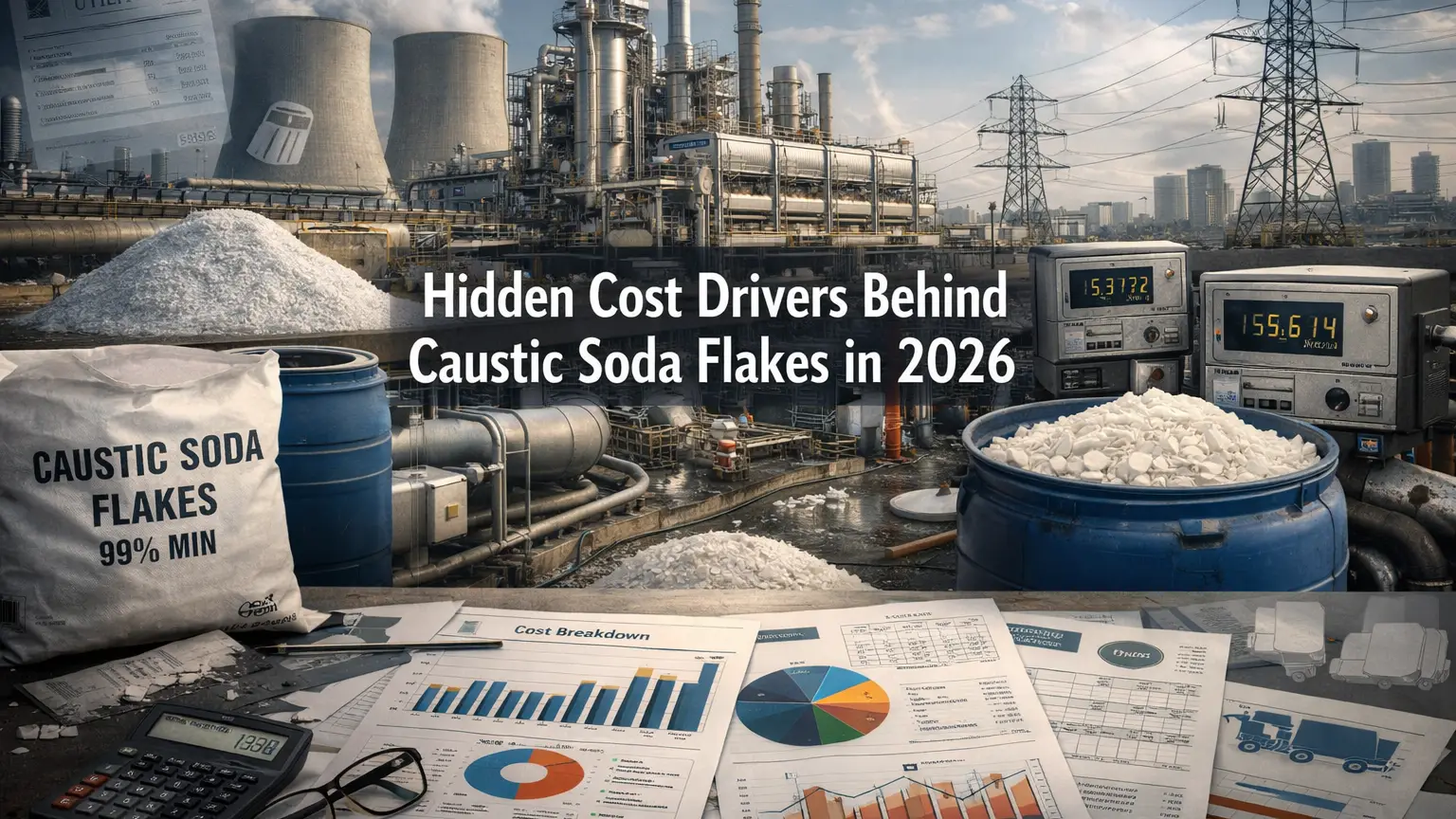
Caustic soda production is energy-intensive because it comes from the chlor-alkali process, which also produces chlorine and hydrogen. Electricity pricing has a major influence on production economics and market competitiveness.
The IEA revised its 2026 oil demand outlook downward during the week of June 23, highlighting weaker consumption expectations linked to elevated fuel prices. Lower demand growth could influence industrial activity and create mixed signals for chemical buyers.
Energy markets will continue to affect:
Production costs for chlor-alkali manufacturers.
Freight and logistics expenses.
Industrial demand from energy-sensitive sectors.
Regional competitiveness among suppliers.
Major Industries Driving Caustic Soda Consumption
Caustic soda supports multiple industrial applications beyond alumina refining. Its broad usage base helps maintain long-term demand across different markets.
Major consuming industries include:
Alumina refining: The largest demand segment where caustic soda supports bauxite processing.
Pulp and paper production: Used in chemical pulping and processing operations.
Chemical manufacturing: Required for producing various intermediates and industrial chemicals.
Textile processing: Used in treatment and manufacturing processes.
Water treatment: Applied in pH control and industrial water management.
This diversified demand structure provides some stability even when one sector experiences weaker activity.
Procurement Challenges in the Caustic Soda Market
Chemical buyers face several challenges when sourcing caustic soda internationally. Price alone is not the only factor affecting procurement decisions.
Important considerations include:
Product concentration and specification requirements.
Supplier reliability and production consistency.
Shipping availability for international cargoes.
Regional regulations affecting chemical transport.
Long-term supply agreement flexibility.
Companies with strong supplier networks can respond more effectively when market conditions change.
What Buyers Should Do Now
The second half of 2026 may bring a more balanced caustic soda market as industrial demand improves and new supply capacity supports availability. Buyers should focus on market intelligence, supplier evaluation and contract flexibility.
Procurement teams should avoid relying only on short-term price movements. A complete sourcing strategy should consider production trends, energy conditions and downstream demand recovery.
As alumina and pulp sectors recover, caustic soda demand could strengthen gradually. Businesses that maintain reliable supplier relationships and monitor market changes will be better positioned for future purchasing decisions.
Ready to source Caustic Soda from verified global suppliers? Explore competitive offers on our platform today.
Caustic Soda Flakes CAS: 1310-73-2