
Share this product :
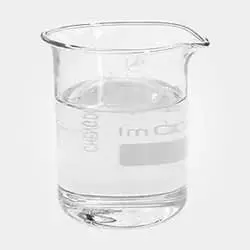
Hydrogen Peroxide (35%) - Thailand
- Origin
- : Thailand
- CAS Number
- : 7722-84-1
- HS Code
- : 28470000
Basic Info
- IUPAC Name
- : hydrogen peroxide solution
- Molecular Formula
- : H2O2
- Molecular Weight (g/mol)
- : 34.0100
- Synonyms & Trade Names
- : Hydrogen peroxide; Peroxide solution; Oxydol
- Purity / Assay (%)
- : 35% min
- Grade / Quality Level
- : Industrial Grade
- Physical Form
- : Liquid
- Concentration
- : Pure substance
- Appearance / Color
- : Clear to slightly colored liquid
- Odor
- : Slightly sharp
- Melting Point (°C)
- : -0.4000
- Boiling Point (°C)
- : 150
- Density (g/cm³)
- : 1.1300
- Solubility in Water
- : Miscible
- Signal Word
- : Danger
- UN Number
- : 2014
- GHS Hazard Class
- : Oxidizer; Acute toxic; Skin corrosive; Eye corrosive
- H-Statements
- : H271|H290|H302|H312|H314|H332|H335
- P-Statements
- : P210|P220|P221|P234|P260|P264|P271|P273|P280|P301+P330+P331
- REACH Status
- : Registered
- Drug Precursor Status
- : Non-precursor
- Storage Class (GHS)
- : 5.1
- Storage Conditions
- : Cool, dark; away from metals, combustibles; strong oxidizer
Categories
Share this product :
Brief Overview
Hydrogen peroxide 35% is a clear liquid with strong oxidizing, bleaching, and antiseptic properties. To safely handle it, precautions such as avoiding contact with flammable materials, using appropriate protective gear, working in well-ventilated areas, and thorough skin cleansing are essential. Storage and transfer should follow specific guidelines for safety.
Manufacturing Process
There are two main methods to produce H2O2 as described below:
Method 1: Auto-oxidation of ethyl anthraquinones in a solvent such as toluene or ethylbenzene. The product ethyl anthraquinone is reduced by hydrogen over supported nickel or platinum catalyst to regenerate back the starting material, ethyl anthraquinone for continuous production of H2O2.
Method 2: Electrolytic conversion of aqueous sulfuric acid to peroxydisulfate followed by hydrolysis to H2O2. This is also known as the Weissenstein process.